Five Frontiers.
One Platform.
Each sector below is a different operational envelope wrapped around the same perception stack — vision, lidar, compute, log. You don't have to care about all five; you have to care about the one that matches what you're building.
Every sector below is the same perception stack — vision + lidar + compute + tamper-evident log — wrapped in a different operational envelope. The bench is configured the same way regardless of which chassis your prototype lives in.
You don't have to care about all five. You have to care about the one that matches what you're building. Pick a sector, file a brief.
Drones &
Counter-UAS
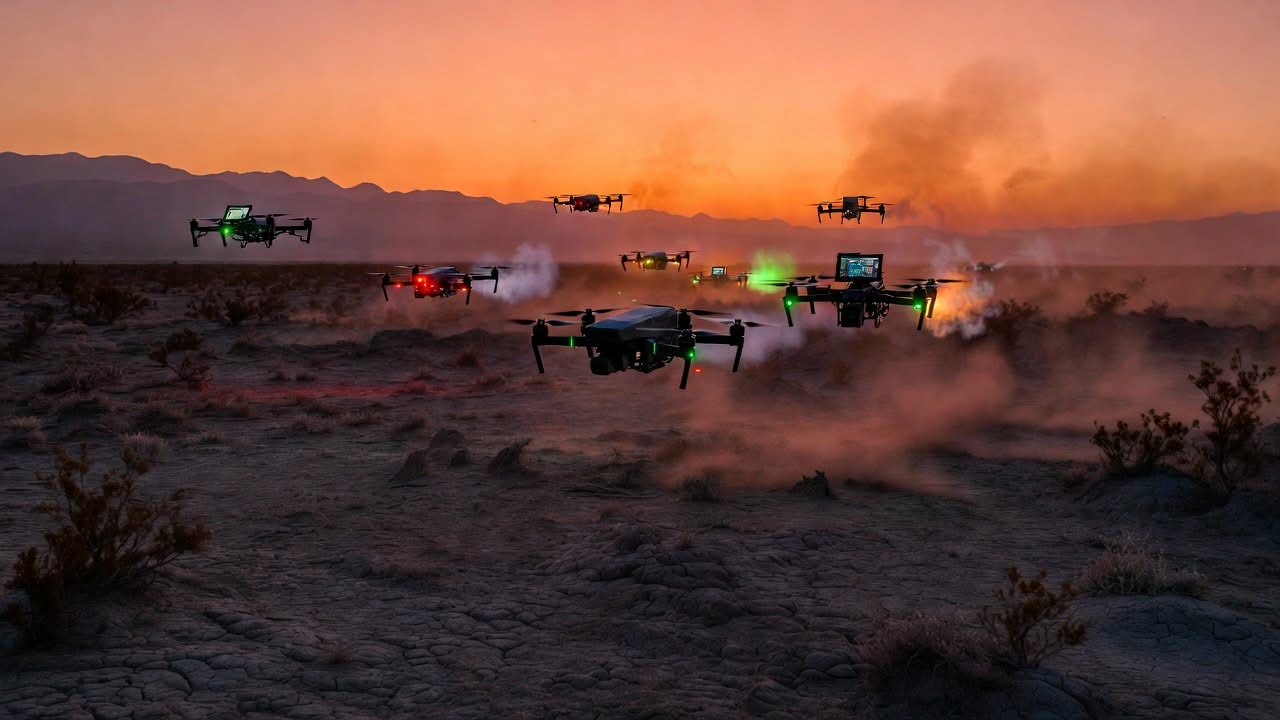
Developing UAV swarms for perimeter security and counter-UAS turret systems to protect remote job sites, military installations, and critical infrastructure from aerial threats. The arms race between drone offense and drone defense is the defining EW challenge of this decade.
Area51.Technology's counter-UAS work draws directly on the founder's drone validation background and proximity to Creech AFB — the epicenter of RPAS operations in the United States. Recruits from Creech bring operator-grade knowledge of the exact threat vectors we're defending against.
Smart OHVs
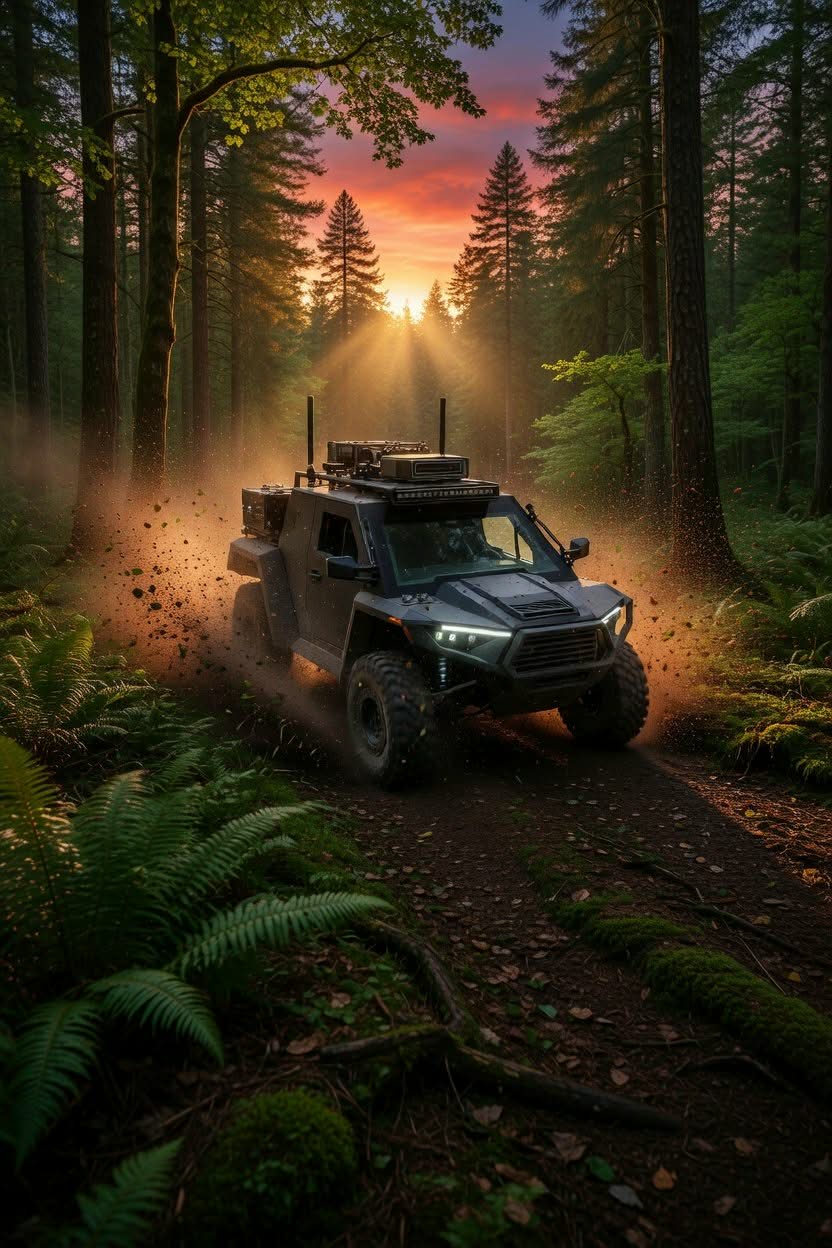
Building intelligent off-highway vehicles with AI terrain assessment and autonomous pathfinding — directly descended from the founder's work on Caterpillar 775 mining trucks. The core challenge isn't speed, it's reliability: a system that navigates boulder fields, creek crossings, and unstable grades without failure.
Nevada's desert terrain is the testing environment. 30 minutes from Las Vegas, Area51.Technology can run OHV field tests that would take months to schedule at a national range.
Nomadic
Autonomy Labs
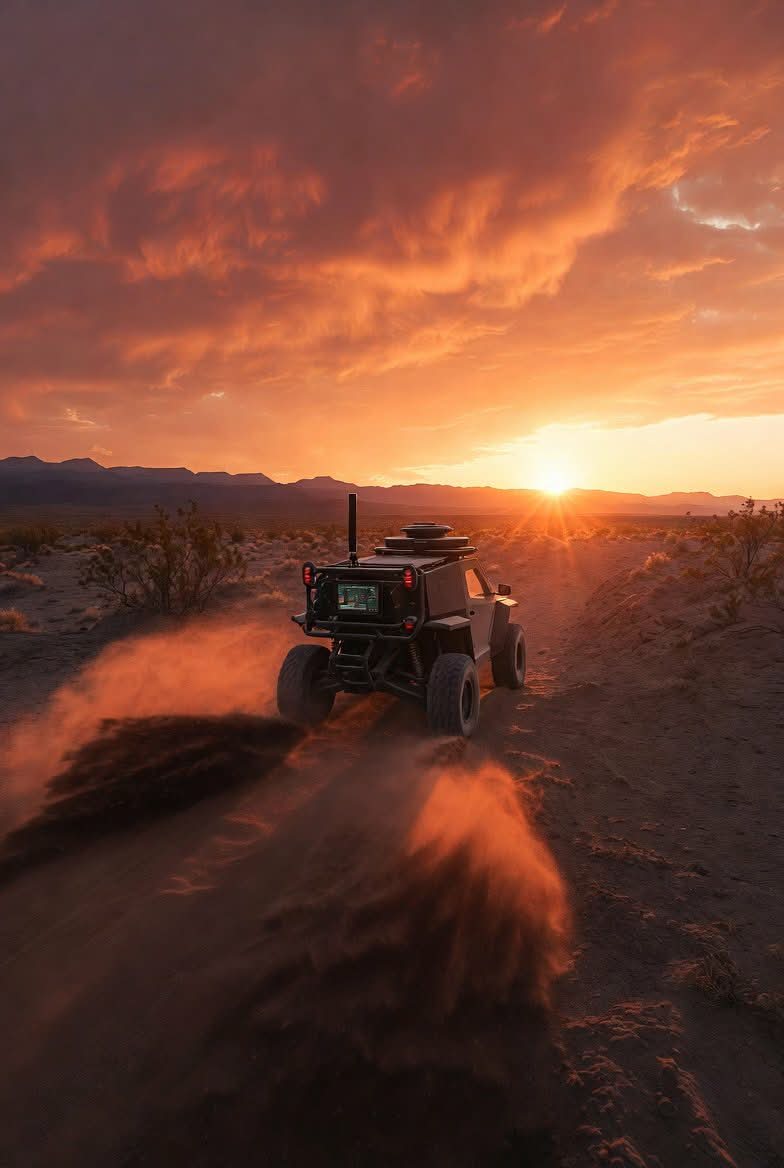
AI-embedded living and work spaces with semi-autonomous driving, off-grid energy management, and field-deployable sensor rigs for exploration in underserved regions. This isn't recreational vehicle technology — it's a forward operating base on wheels.
The Area51.Technology founding operation runs from a purpose-built Jeep 4xe mobile lab with Starlink, portable HIL bench capability, and zone-based workflow architecture. The product emerges from living the problem first.
Submarine
Systems
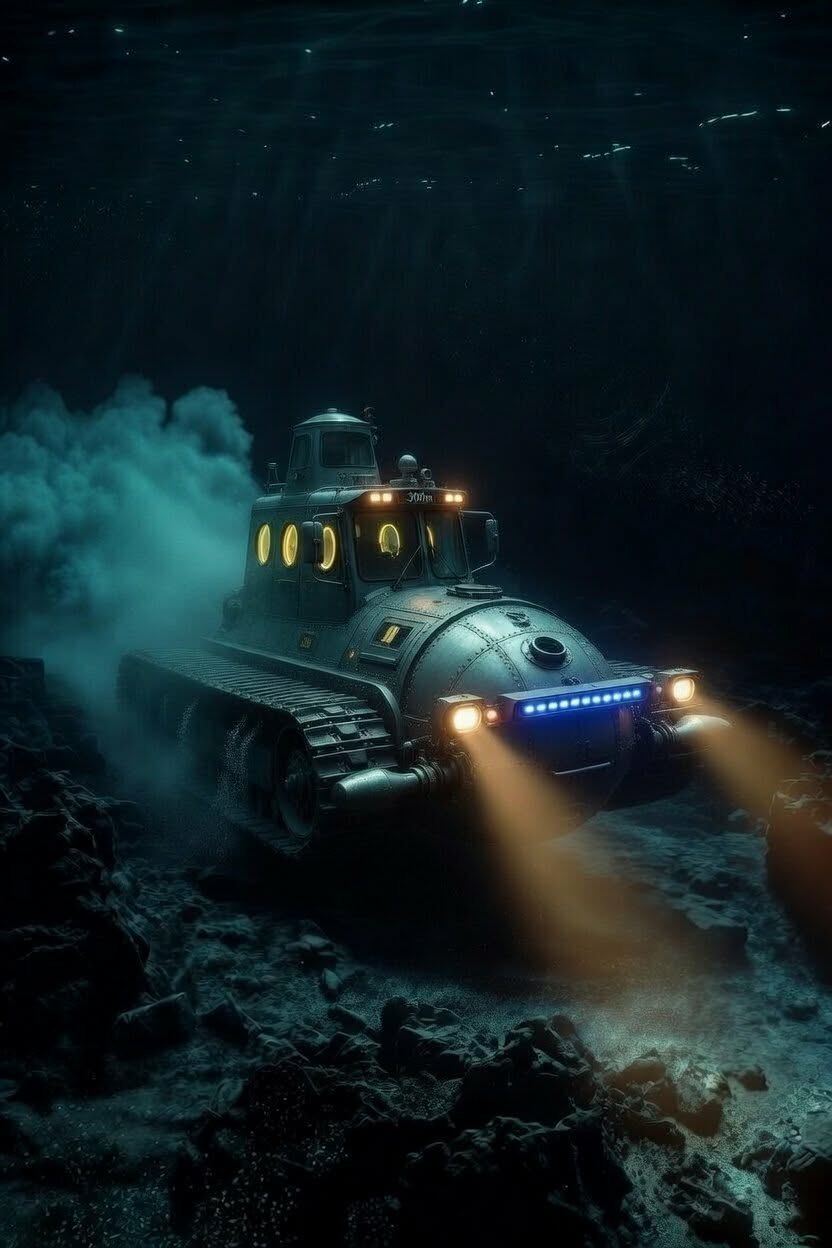
Prototyping underwater robots for deep-sea resource extraction and infrastructure building, with emphasis on pressure-resistant autonomy, acoustic sensor fusion, and environmental monitoring. The deep-sea mineral rush of the 2020s is creating demand that surface-world mining robotics companies cannot meet.
The core technical challenges — sensor fusion in GPS-denied environments, real-time decision-making with high latency comms, structural integrity under extreme conditions — are the same problems Area51.Technology solves across all sectors.
Off-World
Robotics
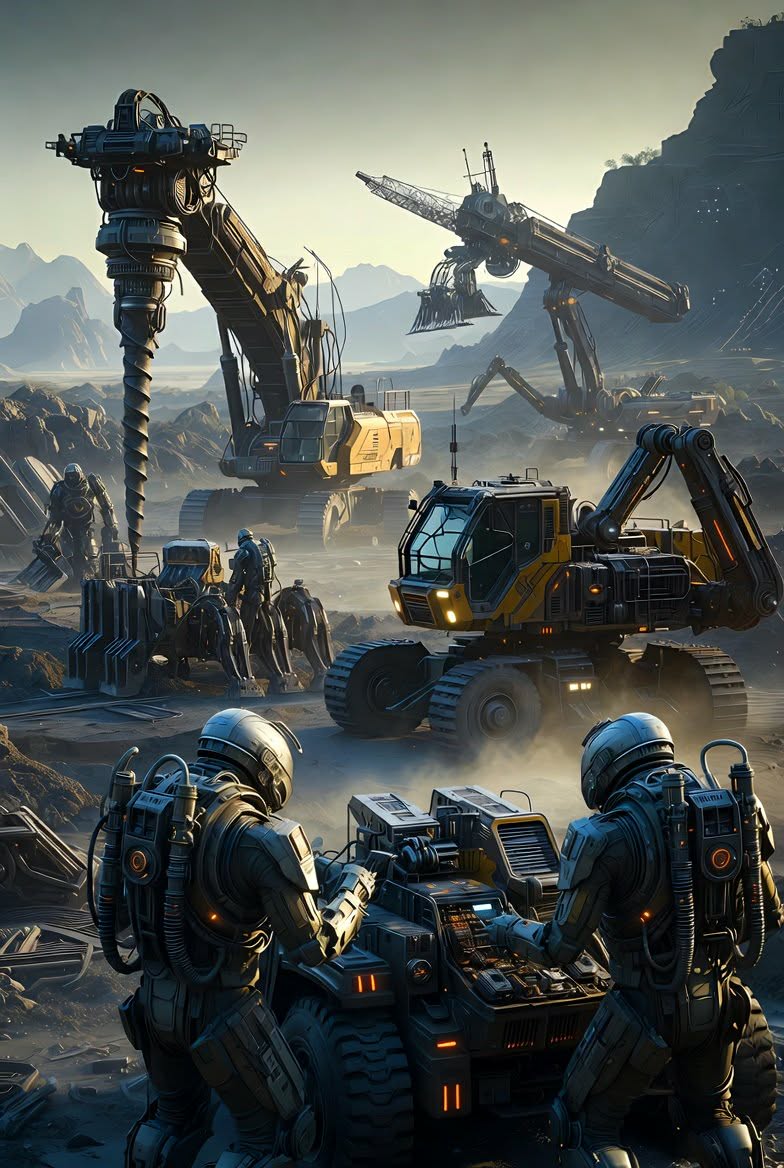
Innovating space-grade robotics for lunar and asteroid resource utilization, habitat construction, and surface operations. Artemis is not a distant future — lunar surface missions are on the manifest. The robots that will build the first off-world infrastructure need to be designed and validated now.
The Nevada desert serves as an analog environment for lunar surface operations — the same dust, thermal extremes, communication latency, and GPS-denied navigation challenges that define lunar robotics. Area51.Technology's proving ground doubles as a space analog test site.
Pick A Sector. File A Brief.
The Workbench takes ten minutes. You'll get back a scope, a bench day, and a quote within 48 hours. The brief becomes the contract.